
Related More News


The Future of Biogas: Smart Automation, IoT Monitoring & Bio-CNG Integration
The world is shifting toward renewable energy, and Biogas Plants are at the heart of this transformation. What began as a simple system for converting waste into fuel has now evolved into a smart, data-driven, automatic commercial biogas plant network.
Modern biogas systems for waste management combine automation, IoT technology, and bio-CNG integration to make waste-to-energy more efficient, scalable, and sustainable.
Automation: The Next Step in Biogas Evolution
In traditional setups, operators manually managed feed input, temperature, and gas pressure. Today, Automatic Biogas Plants use intelligent sensors and PLC control systems that:
- Regulate feeding and mixing automatically
- Maintain ideal pH and temperature
- Control gas flow and pressure
- Send real-time alerts on performance
Automation minimizes human error, increases gas yield, and ensures round-the-clock operation—making it perfect for modular biogas plants, hotels, industries, and housing societies.
IoT Monitoring: Turning Data into Power
The Internet of Things (IoT) is giving biogas plants a digital brain.
IoT sensors continuously track gas quality, pressure, feed input, and temperature. The data is displayed on a mobile dashboard for remote monitoring and quick action.
Benefits of IoT in Biogas Systems:
- Real-time performance tracking
- Predictive maintenance alerts
- Centralized control for multiple units
- Reduced downtime and improved safety
IoT has made organic waste biogas plants more reliable and transparent, helping operators make data-driven decisions and meet sustainability goals faster.
Bio-CNG Integration: Clean Energy for the Future
Once biogas is produced, it can be upgraded to Bio-Compressed Natural Gas (Bio-CNG) using Pressure Swing Adsorption (PSA) or VPSA systems.
This purified gas (98% methane) can replace fossil-based CNG and LPG.
Key Advantages:
- 70–80% reduction in carbon emissions
- Can be used for vehicles or industrial heating
- Earns carbon credits and green certifications
- Adds revenue for biogas plant exporters and investors
Companies like Biofics Pvt. Ltd. are integrating advanced Biogas PSA systems with kitchen waste biogas plants to create high-purity bio-CNG for transport and industrial use.
Modular and Portable Biogas Plants: Decentralized Energy
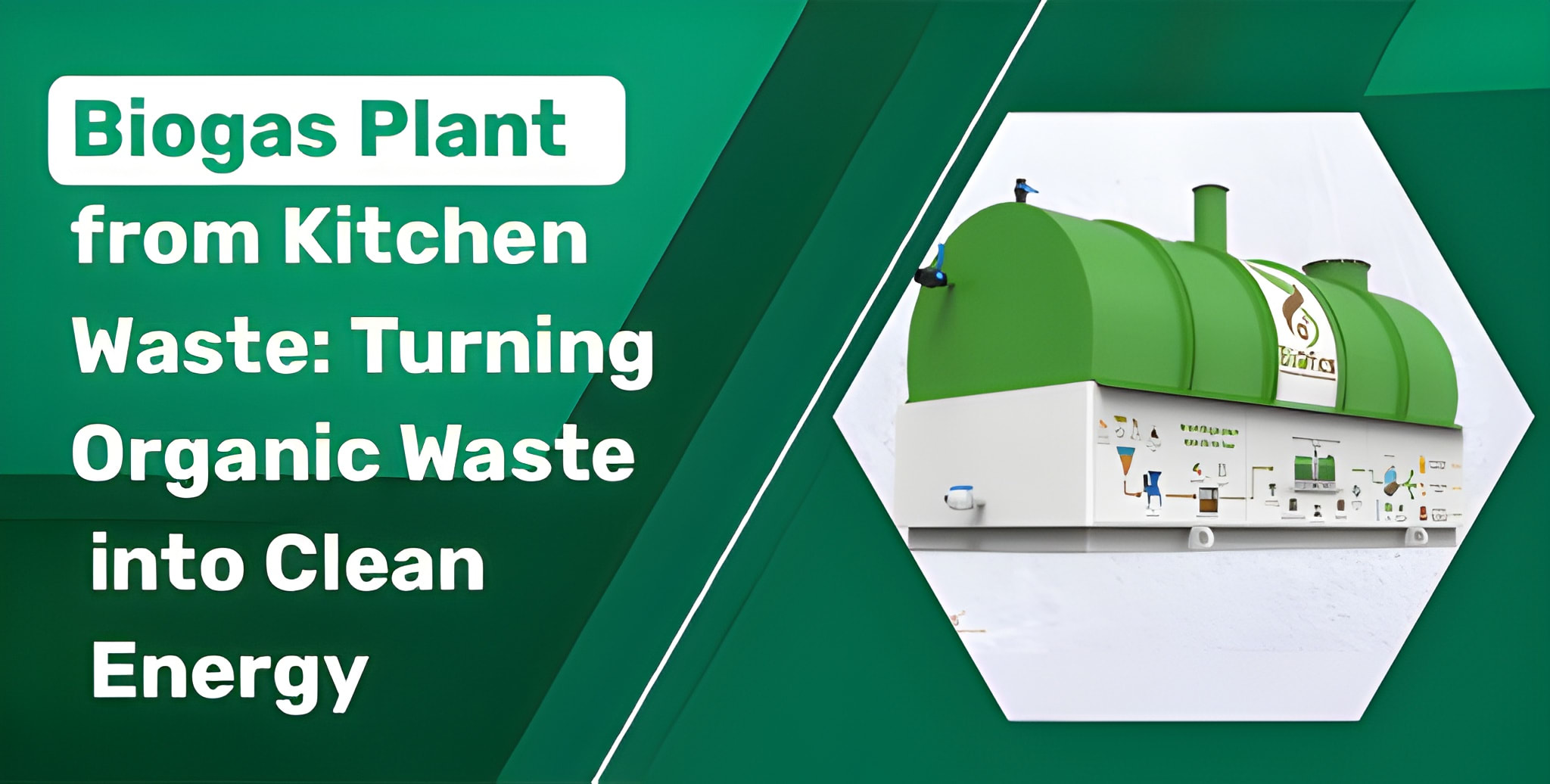
Modern cities and rural areas alike are adopting modular biogas plants and Portable Biogas Plants—compact, prefabricated, and IoT-enabled.
They can be installed quickly near waste sources such as markets, housing societies, and institutions, reducing transport costs and emissions.
These systems are key to India’s Gobardhan biogas plant and waste-to-energy missions—decentralized, smart, and sustainable.
The Road Ahead
With automation, IoT, and bio-CNG integration, the future of biogas is digital and decentralized. Automatic commercial biogas plants will operate like intelligent ecosystems—self-monitoring, self-adjusting, and self-optimizing.
They not only convert organic waste into fuel but also contribute to ESG compliance, carbon neutrality, and a circular economy.
Conclusion & Call to Action
The future of energy lies in systems that are clean, connected, and intelligent.
If you’re planning to set up a Kitchen Waste Biogas Plant, organic waste biogas plant, or automatic biogas system, now is the time to invest in smart technology.
Biofics Pvt. Ltd.—a leading biogas plant supplier and exporter—offers turnkey solutions with automation, IoT dashboards, and Bio-CNG PSA systems to help you lead the green energy revolution.
👉 Visit www.biofics.co.in to get your customized waste-to-energy proposal today.
-
Email